100% Guide to Choosing Garage Door Accessories in Parker

Choosing garage door accessories sounds simple until you stand in the aisle or scroll through pages of products that all promise convenience, safety, and better performance. Then the real questions start. Which accessories genuinely improve daily use? Which ones solve problems common in Parker homes? Which upgrades are worth the money, and which tend to disappoint a year later?
That is where a little experience matters.
A garage door is not just a moving wall. In many Parker homes, it is the main entry point, a weather barrier, a security layer, and a major part of the front exterior. Accessories affect all of those roles. The right keypad, seal, lighting kit, or smart controller can make a garage feel secure and effortless. The wrong choice can create constant irritation, compatibility issues, or premature wear.
Parker has its own set of practical considerations. The mix of cold snaps, wind, dust, bright sun, and newer suburban construction means garage accessories need to do more than look good on the box. They need to hold up, work consistently, and fit the way people actually use their homes.
Why accessories matter more than most homeowners expect
When people think about garage door upgrades, they usually picture a new opener or a replacement door. Accessories tend to feel secondary, but they shape the everyday experience far more than many homeowners realize.
A wireless keypad matters the first time your child gets home from school without a house key. A battery backup matters during a power outage when the car is trapped inside. A better bottom seal matters when wind drives dust and cold air under the door in January. Motion-activated lighting matters when you pull in after dark and want to unload groceries without fumbling for a switch.
The best Garage Door Accessories Parker homeowners choose usually do one of three things. They improve security, reduce hassle, or protect the garage from weather and wear. The strongest setups do all three.
I have also seen the opposite. A homeowner buys a generic remote that works intermittently, installs the wrong weatherstrip profile, or adds a smart hub that technically connects but constantly drops offline because the Wi-Fi signal barely reaches the garage. None of those mistakes are dramatic, but together they make the garage feel unreliable. That is why accessory selection deserves more attention than it gets.
Start with the way you use the garage
Before choosing products, think about how the garage functions in your household. This sounds obvious, but skipping this step is the fastest way to buy accessories you do not need.
A family with teenagers and multiple drivers often benefits most from access control, extra remotes, and a keypad with temporary codes. A homeowner who uses the garage as a workshop may care more about lighting, insulation accessories, and sealing. Someone who travels frequently may prioritize smartphone control, monitoring, and integrated cameras. If the garage is attached to the house and used as the main entry, daily convenience matters just as much as security.
The age of the existing system also changes the decision. On a newer opener, accessory compatibility is usually straightforward if you stay within the same brand family. On older systems, especially units over ten or fifteen years old, compatibility gets trickier. Some add-ons can work through universal receivers or bridge kits, but not always cleanly. Sometimes the most sensible move is to stop adding accessories to an aging opener and put that budget toward a modern unit with built-in smart features.
The accessories that earn their keep
If you are sorting priorities, a handful of accessories consistently prove useful in real homes.
- wireless keypads for code-based entry
- multi-button remotes for households with more than one door
- smart controllers with mobile app access and alerts
- weather seals, bottom seals, and threshold kits
- battery backups and upgraded garage lighting
That list is short on purpose. There are dozens of other accessories on the market, but these are the ones homeowners tend to appreciate long after the purchase.
Wireless keypads
A keypad is one of those accessories people often underestimate until they live with one. It is especially practical in Parker neighborhoods where families are active outdoors, kids bike around without carrying keys, and homeowners want controlled access for service providers or visiting relatives.
The key is to buy a keypad that matches both your opener’s frequency and security protocol. This is where cheap universal models can become frustrating. Some work well. Others pair inconsistently or fail after temperature swings. If your opener brand offers a compatible keypad with rolling-code security, that is usually the safer choice.
Placement matters too. Mount it where it is easy to reach but not exposed to unnecessary weather or direct irrigation spray. A keypad that sits in full sun all day can age faster, and one installed too close to the ground tends to collect more dust and debris.
Remotes and visor controls
Extra remotes sound boring until one goes missing or a household adds another vehicle. Then they suddenly become essential. In my experience, homeowners rarely regret having one more remote than they think they need.
What matters here is signal reliability and security. A remote should respond quickly from the end of the driveway, not only when you are nearly touching the door. Rolling-code technology is standard on good systems now, and it is worth having. If your remote inventory is a mess, with old units floating around in drawers or glove compartments, it may be wise to erase the opener memory and reprogram only the remotes you actually use.
For multi-door garages, a compact three-button remote saves daily annoyance. If you have ever watched someone repeatedly hit the wrong button while trying to leave for work, you understand the value of simple labeling and a clear layout.
Smart garage controllers
Smart controllers are among the most requested Garage Door Accessories Parker homeowners ask about, and for good reason. When they are installed correctly, they provide real peace of mind. You can check whether the door is open, close it remotely, receive activity alerts, and sometimes integrate it with cameras or voice assistants.
But this category comes with trade-offs. Smart control is only as reliable as the opener compatibility, home Wi-Fi strength, and app quality. A weak signal in the garage turns a convenience feature into a recurring headache. Before buying, stand in the garage with your phone and test the Wi-Fi strength near the opener. If the signal is poor, solve that first with a mesh node or extender placed properly inside the house, not just a random plug-in device at the far wall.
Some smart add-ons require extra sensors to confirm whether the door is open or closed. That is normal, but it means installation needs to be tidy and secure. A dangling sensor or misaligned magnet is asking for false notifications.
If security is your main priority, choose a system that sends activity logs and allows user-specific access. If convenience matters more, look for a simple app with dependable remote close functions and easy guest access.
Weather protection in Parker is not optional
Parker’s climate makes weather-related accessories more important than many homeowners expect. Even if the garage is not conditioned, uncontrolled air movement affects comfort, dust levels, and the rooms next to the garage. On attached garages, those issues become very noticeable.
Bottom seals wear out first in many cases. They flatten, crack, or lose contact with uneven concrete. Once that happens, cold air, moisture, and debris find their way in quickly. Side and top weatherstripping can also harden over time, especially with sun exposure.
Threshold seals can help if the slab is slightly uneven or if water tends to drift under the door during storms. They are not a cure-all, but when paired with a good bottom seal they can make a big difference. The important thing is to identify the actual problem first. If the door itself is out of alignment or the track is slightly off, no accessory seal will completely fix the gap.
Insulation kits fall into this same discussion. They can help moderate garage temperatures, but results vary widely depending on the door construction, the fit of the insulation panels, and whether the garage has other weak points such as poor wall insulation or air leaks around the perimeter. Homeowners sometimes expect an insulation kit to transform the space like a finished room. That is unrealistic. It can improve comfort, but it works best as part of a broader effort.
Safety accessories deserve more attention
Most homeowners think about convenience first, but safety-related accessories often provide the best long-term value. This is especially true for households Garage Door Accessories Parker with children, pets, or frequent garage traffic.
Photo-eye sensors are already required on modern systems, yet not all setups are equally dependable. Dirty lenses, poor alignment, sun glare, and loose wiring can cause nuisance reversals or reduce protection. If your sensors are temperamental, do not treat that as normal. Fix it. Consistent operation matters.
Motion-detecting light kits are another underrated upgrade. A dark garage encourages rushed movement, missed steps, and awkward unloading. Good lighting is not just a cosmetic improvement. It changes how safely the space functions.
A battery backup belongs in this conversation too. During an outage, a battery system lets you operate the door without disengaging the opener and lifting it manually. That is convenient, but it is also a safety issue if weather is poor or you need quick access. In areas where outages are occasional but very inconvenient, battery backup is easy to justify.
Matching accessories to your opener
Compatibility is where many accessory purchases go wrong.
Garage door opener brands use different radio frequencies, learning systems, and smart ecosystems. A remote or keypad that claims wide compatibility may still offer only partial functionality. It might open the door but fail to support secure pairing, temporary codes, or full app integration.
Before buying anything, identify the opener model, the manufacturing date if possible, and whether it already has built-in Wi-Fi or battery capability. This step takes five minutes and prevents most expensive mistakes.
Here is a simple approach that works well:
- check the opener brand, model number, and learn-button color
- confirm whether the accessory supports that exact system
- test Wi-Fi strength in the garage before buying smart add-ons
- inspect existing seals and hardware so you solve the right problem
- decide whether the opener is new enough to justify further upgrades
That checklist is not flashy, but it saves money.
One judgment call comes up often with older openers. If the motor is noisy, the rail is worn, and the unit lacks modern safety and security features, accessory spending can become a form of patchwork. In that situation, replacing the opener may be the more cost-effective move over the next five years.
Security upgrades that actually improve peace of mind
Garage security is often weaker than front-door security, even though garages frequently hold tools, bikes, outdoor gear, and direct access to the home. A few accessories can close that gap without making daily use cumbersome.
A smart controller with alerts is one of the most practical upgrades because it tells you when the door is left open or activated unexpectedly. Integrated cameras can add another layer, especially for package deliveries or monitoring service visits, but the camera should support useful resolution and low-light visibility. A blurry image of a moving figure is not very helpful.
Vacation lock features are worth using as well. Many wall consoles have them built in, yet homeowners forget they exist. When activated, they disable remote operation while you are away. That one setting can stop a stolen remote from becoming an easy point of entry.
For households that share access with dog walkers, cleaners, or contractors, temporary keypad codes are better than handing out a clicker. Codes can be changed quickly, tracked more easily, and assigned for limited periods.
A note on aesthetics and curb appeal
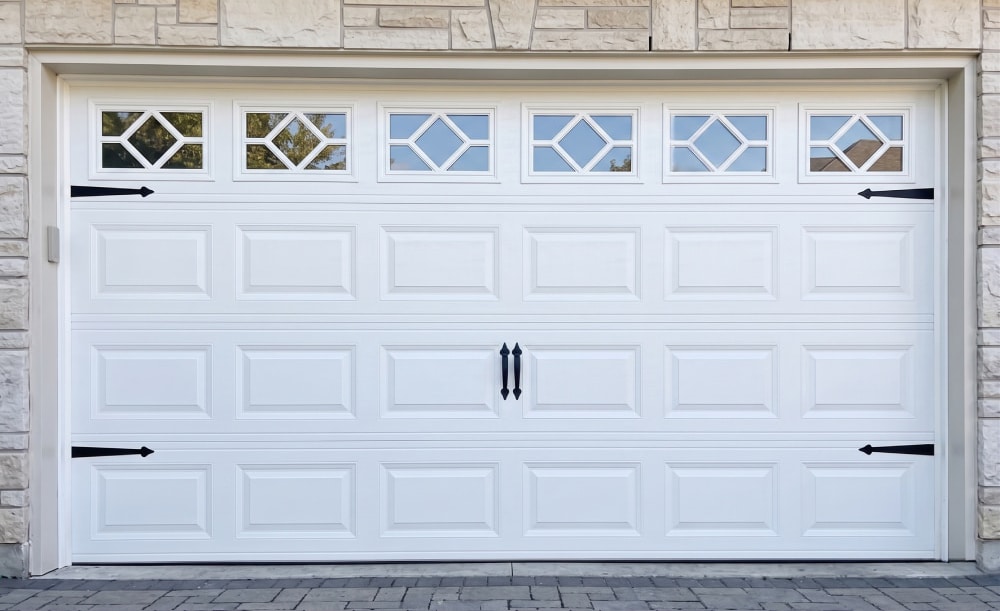
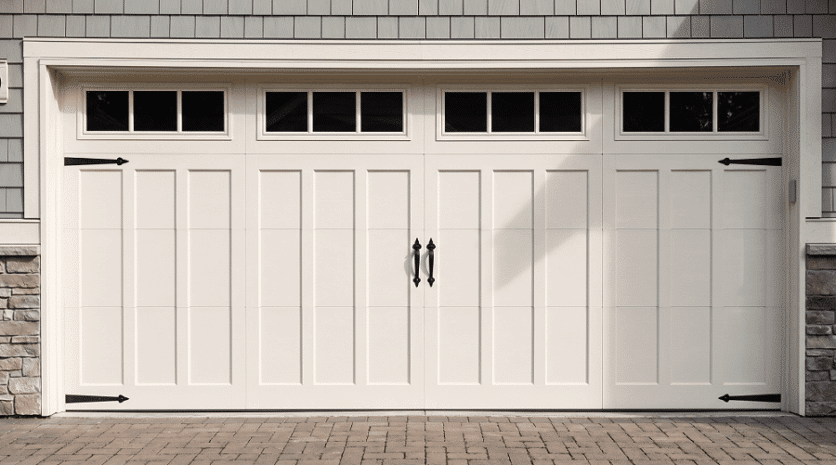
Not every accessory is purely functional. Decorative hardware, upgraded handles, faux hinge straps, and better exterior trim can make a basic garage door look more intentional. In Parker, where many homes have visible front-facing garages, that matters more than people sometimes admit.
That said, decorative pieces should match the architecture of the home. A heavy carriage-style hardware set can look great on one elevation and oddly theatrical on another. Matte black is popular and often works well, but it should tie into existing exterior finishes rather than compete with them.
If curb appeal is the goal, invest first in items that are visible and proportionate. Clean perimeter trim, a fresh bottom seal, and well-chosen hardware usually make a stronger impression than over-accessorizing.
Installation choices: DIY or professional help?
Some accessories are realistic DIY projects. Others are better left to a technician.
A remote, keypad, or app-based controller is often manageable for a careful homeowner who follows instructions and confirms compatibility first. Replacing weatherstripping can also be straightforward if the door and frame are in good condition. Threshold seals require more care because surface prep determines whether they stay bonded.
Where homeowners get into trouble is assuming an accessory issue is just an accessory issue. A persistent floor gap might really be a door balance or track problem. Weak remote range Garage Door Accessories Parker might point to antenna placement or electrical interference. A noisy opener may not need a new light kit, it may need service.
If installation involves wiring changes, opener disassembly, rail adjustments, or diagnosing inconsistent safety sensor behavior, professional help is usually worth it. One service call often costs less than replacing the wrong parts after trial and error.
Budgeting without wasting money
Accessory budgets vary widely, and price does not always predict satisfaction. A modestly priced keypad that works every day is more valuable than an expensive smart add-on with constant connection issues.
The best budgeting approach is to fix daily friction first. If the garage is drafty, the door is hard to access, or the family shares too few remotes, those are the upgrades to prioritize. Pure novelty can wait.
There is also value in grouping purchases sensibly. If you are already scheduling opener service, that may be the right time to add compatible remotes, replace worn seals, and install a keypad in one visit. Doing everything separately often costs more in labor and time.
One practical rule holds up well: spend on reliability before you spend on extras. A dependable keypad, solid weather seal, and good lighting will serve most households better than a gadget-heavy setup built on old equipment.
Common mistakes Parker homeowners can avoid
The patterns repeat themselves. A homeowner buys weather seals without checking the door profile. Someone installs a smart accessory but ignores weak Wi-Fi. Another adds decorative hardware to a door that already needs panel or trim repair. None of these are disastrous, but they lead to unnecessary expense.
The most common misstep is choosing based on promise instead of fit. Accessories work best when they match the actual door, opener, climate, and household routine. Parker homes differ, even within the same neighborhood. A three-car garage used for storage and hobbies has different needs from a compact attached garage that serves as the family’s main entrance.
That is why product selection should feel a little deliberate. Not complicated, just deliberate.
What a well-accessorized garage usually looks like
The most functional garage setups are rarely the most elaborate. They tend to be balanced. The opener is compatible with the accessories. Entry is easy for the people who need it and restricted for those who do not. The lighting is adequate. The seals do their job. The system is quiet enough, secure enough, and predictable every day.
For many Parker homeowners, that means a solid keypad, reliable remotes, weather protection that fits properly, and some form of smart monitoring if the garage is used heavily or left unattended during travel. Add battery backup if outages or emergency access are a concern. Add decorative upgrades if curb appeal matters and the style supports them.
That combination covers most real needs without drifting into gimmicks.
Choosing Garage Door Accessories Parker homeowners can trust comes down to asking the right questions first. How is the garage used? What problems are already showing up? Is the opener still worth building around? Once those answers are clear, the right accessories usually reveal themselves quickly.
A garage door should not be the most temperamental part of the house. With the right accessories, it usually is not.
Select Garage Doors
11479 Pine Dr
Parker, CO 80134, United States
Phone: (303) 228-0018
FAQ About Garage Door Accessories Parker
Where can I find garage door accessories?
Garage door accessories are available from garage door service companies, authorized dealers, home improvement stores, and specialist suppliers. Select Garage Doors supplies and installs accessories for homeowners in Parker, including compatible remotes, wireless keypads, weather seals, and smart controls. Check your opener model and door specifications before choosing a replacement or upgrade.
How to make a garage door more attractive?
Cleaning the door, refreshing a manufacturer-approved finish, and choosing coordinated decorative handles or hinge accents can improve its appearance. Compatible window inserts may also change the look of an existing window section. Match accessories to the door material and style, and make sure added hardware does not interfere with movement, seals, or safety equipment.
Where can I buy garage door inserts?
Decorative window inserts can be sourced through the door manufacturer, an authorized garage door dealer, or a supplier that carries parts for your specific door series. Match the model, window frame dimensions, and attachment system; inserts are not universally interchangeable. Ask a professional to confirm compatibility before ordering, especially if the work involves glass or changes to a door section.